




Can Collagen Cause Acne?

Collagen powders are extremely popular right now, and for good reason: the documented benefits of regularly taking collagen powder, like:
- Reduced signs + symptoms of skin aging
- More hydrated skin
- Improved gut health (amino acids in collagen can help repair the gut lining)
- Support for bone health
- + more
…are persuasive.
But, what if I told you collagen supplements could be an unsuspecting trigger for breakouts?
Why might collagen supplements trigger breakouts?
While there’s no formal documentation of the side effects of collagen supplements, there are a whole slew of people documenting their symptoms online. From stomach upset to sinus issues to headaches, there’s no doubt that collagen supplements have caused issues for some people.
And the culprit behind all of these symptoms is one pesky molecule: histamine.
Histamine is a protein in our bodies that mediates allergic reactions. Once we come in contact with an allergen, our body responds by activating immune cells called mast cells. In response, these cells secrete histamine!
Once released, histamine then locks onto its receptors around the body. This is when we get the classical histamine symptoms: itching / redness on the skin, mucus production, watery, red, itchy eyes, stomach upset, headache, and even sleepiness.
But, histamine also has a less well-known effect, specifically on the skin: acting as a breakout trigger.
How does histamine trigger breakouts?
When histamine travels to our skin, then binding to histamine receptors, it can be problematic — especially for acne-prone skin.
The reason behind this: histamine’s effects on the skin can set off a “domino effect” that creates a pro-acne environment, including…
- Pro-acne changes to the types of lipids (fats) in our sebum: Histamine has been shown to increase squalene (not squalane, totally different!), a type of lipid that is increased in acne-prone skin. These increases are a major player in acne (see more in this article). As a result, increasing squalene levels even more through increased histamine can facilitate a pro-acne environment on the skin.
- Increased inflammation: Inflammation plays a significant role not only in the appearance of acne (more inflammation = more redness) but also in its formation. At the earliest stages of acne, before a spot is even visible, inflammation is present and sets off the acne process. As a result, inflammation is believed to trigger acne.
- Exacerbating hormonal imbalances: In one study, histamine was found to increase the production of dihydrotestosterone (DHT) in cell culture (aka a Petri dish). DHT is a powerful male hormone that has been implicated in hormonal acne. In a lot of cases, this acne appears along the jawline! As a little side note, I find it interesting that a lot of the people I’ve spoken to who have dealt with breakouts after taking collagen have all experienced breakouts along their jawline: exactly where increased DHT would most likely trigger acne.
As a result, keeping histamine to a minimum is likely important for supporting acne-prone skin.
Why does collagen increase histamine in some people?
Honestly, no one really knows. There isn’t any documented research on it as of yet, so the only explanations available are kind of limited to theory and speculations.
Online, you’ll find the most prevailing theory is that the amino acids in collagen, specifically histidine, are converted to histamine. But, research on histidine leading to increased histamine is muddled.
On one hand, studies in rats have found that as histidine intake increases, so does histamine. In humans, histidine has been shown to have effects on the body that are known to be related to histamine. However, no studies have looked at whether these effects are caused by increases in histamine or not.
On the other hand, some studies have found histidine can actually decrease histamine activity.
So, we don’t really know whether increases in histidine intake increase histamine levels in humans and, importantly, whether this is even relevant to the amount of histidine in a daily dose of collagen.
Another possible explanation is that maybe the collagen powders themselves contain histamine, either as a result of their processing or because the source of the collagen (usually animal hide) contains histamine.
But, regardless of what causes histamine to increase in response to collagen supplements, not everyone will be affected by increased histamine levels. In other words, not everyone will experience breakouts or other histamine-related symptoms like headaches, anxiety, loose stools, mucus buildup in the throat/sinuses, and/or facial flushing when taking collagen.
Instead, collagen supplements are most likely to affect people with a condition called histamine intolerance. This is when your body doesn’t make enough of the diamine oxidase (DAO) enzyme inside your cells — the enzyme responsible for breaking down histamine.
So, when histamine increases, either because:
- you consume a food that increases production of histamine (i.e. something you’re allergic to or something that could possibly increase histamine production)
- you consume a food that contains histamine itself (some foods contain histamine)
- because you’re experiencing seasonal allergies
…your body doesn’t have enough DAO enzymes to adequately break it down, causing histamine to then interact with your cells. When histamine interacts with your cells (by binding to histamine receptors), this is when we experience the side effects of excess histamine, like breakouts.
Of course, preventing this increase in histamine is as simple as not taking collagen supplements (and avoiding other foods that you’re allergic to / that increase histamine).
But, in my professional opinion, I would argue this: collagen is well-worth trying to make it work, especially for acne-prone skin.
The benefits of collagen supplements for acne: collagen amino acids might directly address one of the underlying causes of acne
One of the proposed underlying factors in acne is an increased level of a hormone called insulin-like growth factor-1 (IGF-1), a growth hormone responsible for stimulating the growth of bones, muscle, and other tissues in the body.
When this hormone increases, so does the amount of sebum and skin cells we produce (to put it simply). In women, especially, increased IGF-1 also increases the risk of hormonal acne.
But, IGF-1 doesn’t just affect our skin. Higher-than-normal levels of IGF-1 has also been linked to many other ailments, with some research showing reducing IGF-1 levels (to normal) may actually promote longevity and healthy aging.
So, even if your acne is currently under control (by a skincare regimen or other treatments), keeping IGF-1 levels within a healthy range still offers benefits beyond skin health.
There are a lot of reasons why IGF-1 might increase:
- chronic intake of high glycemic foods
- blood sugar imbalances
- milk intake
- puberty
But, one of the other ways researchers believe IGF-1 can increase is a less-than-optimal ratio of amino acids — two in specific: methionine and glycine.
Protein, glycine, methionine, and IGF-1
In the body, dietary protein (made up of amino acids) is essential for building muscle, creating proteins that perform important cell functions, keeping our blood sugar balanced after a meal, and promoting a feeling of “fullness”.
There’s no doubt that protein is essential and high protein intakes have documented benefits. In fact, in older adults, higher protein intake helps reduce the risk of death from all causes. But, as protein intake goes up, so does IGF-1.
When I first came across this research, I was discouraged.
Personally, I thrive on a high protein diet: I maintain my body composition easily, my energy levels are stable, and my blood sugar stays balanced.
Did I have to give up my high protein diet to keep my IGF-1 levels in check?
Not necessarily, and the reasoning comes back to those two amino acids I mentioned: methionine and glycine.
In rats, studies have shown reducing our intake of a single amino acid, methionine, mimics the IGF-1-reducing effects of limiting protein intake. This tells us that maybe we don’t have total protein intake overall to reduce IGF-1 and, instead, just monitor our methionine intake.
The bad news: methionine is highly concentrated in animal products like muscle meat, dairy, and eggs. So, outside of significantly reducing or eliminating animal product intake (which some people prefer to do - it’s a hugely personal and individual choice), reducing methionine intake enough to reduce IGF-1 levels is difficult to accomplish (and maintain).
But, the good news is: methionine restriction might not be necessary, so long as we are getting enough glycine alongside our methionine.
In the liver, glycine is responsible for clearing excess methionine. As a result, glycine makes sure that less methionine is available to stimulate the production of IGF-1. Not surprisingly, in rats, supplementing with glycine alongside a normal intake of methionine has been shown to reduce IGF-1 levels (alongside additional benefits for blood sugar balance - also great for acne/skin!).
Bringing it all together: the effects of total protein and methionine intake on IGF-1 seem to matter a lot less when we’re consuming a healthy amount of glycine.
This is where collagen peptides can be super helpful!
Glycine being one of the main building blocks, collagen is one of the main reservoirs of glycine in the body. As a result, collagen peptides contain high levels of glycine and, relatively, low levels of methionine. At a ratio of about 32:1 of glycine-to-methionine, this means collagen peptides are really effective at increasing our glycine intake while resulting in a minimal increase in methionine intake.
Because increasing the amount of glycine can help us clear the methionine that increases pro-acne IGF-1, I believe this makes them really valuable in an overall lifestyle approach to healing acne.
But, at the same time, if collagen peptides increase histamine activity, these beneficial effects might be overshadowed by histamine’s role in breakouts.
Ways to further balance histamine activity
Although addressing the root causes of histamine intolerance is highly individual and probably a longer-haul mission, there are some general tips for balancing histamine activity that might be helpful across the board and helpful for blocking any negative side effects of collagen peptides.
- Vitamin C: Vitamin C has been shown to decrease histamine levels in humans and is known to help clear histamine. In my experience, vitamin C tends to help my histamine symptoms! I personally use sodium ascorbate powder and Camu Camu powder as my main sources of vitamin C.
- Curcumin: Curcumin has been found to have antihistamine properties through an ability to block histamine receptors. While this doesn’t reduce histamine itself, it does reduce its pro-acne effects by blocking its ability to change sebum composition! It’s also worth noting that there is a misconception that curcumin isn’t suitable for histamine intolerance because it decreases DAO. And while it is true that some animal studies show DAO decreases with curcumin supplementation, this effect is observed when DAO levels are high — not when DAO levels are low (like in histamine intolerance). Curcumin is most bioavailable when taken alongside piperine, an extract from black pepper! I like the C3 Curcumin Complex extract with piperine for its bioavailability.
- Herbal extracts: Black seed (I like black seed oil for this!), rose, and gingko biloba are among some herbs that have been found to block histamine receptors.
- Vitamin B6: Vitamin B6 is a co-factor for the DAO enzyme, helping it to function optimally. Studies show there is a correlation between the amount of vitamin B6 and DAO activity in some people. It’s possible that increasing B6 intake may support DAO activity, but high doses of B6 have also been known to trigger breakouts.
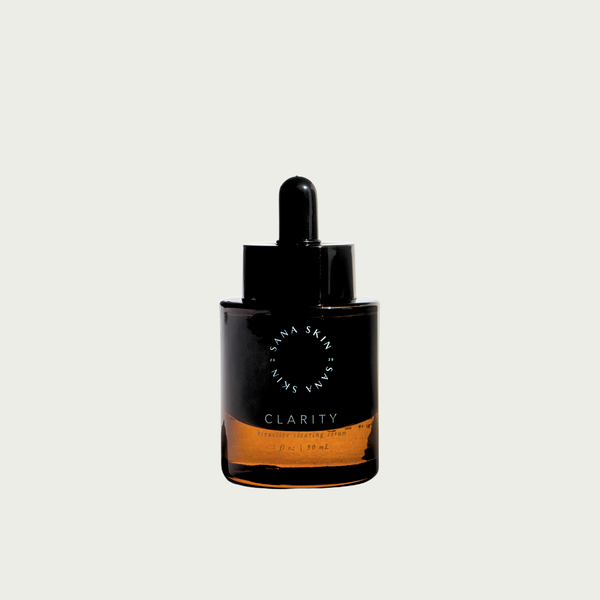
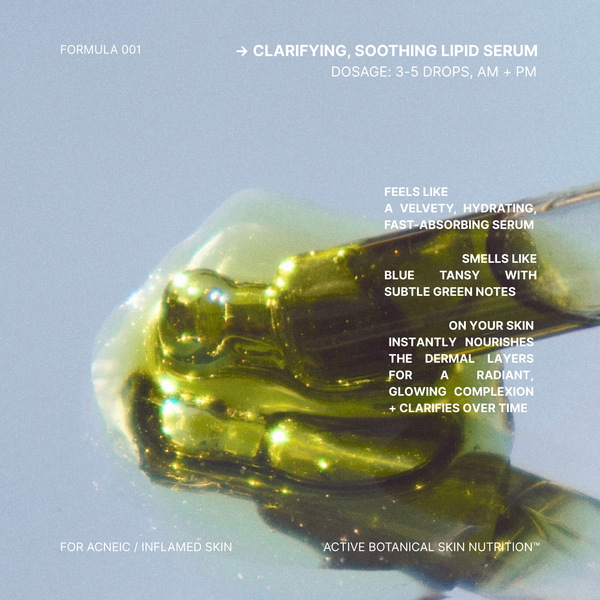
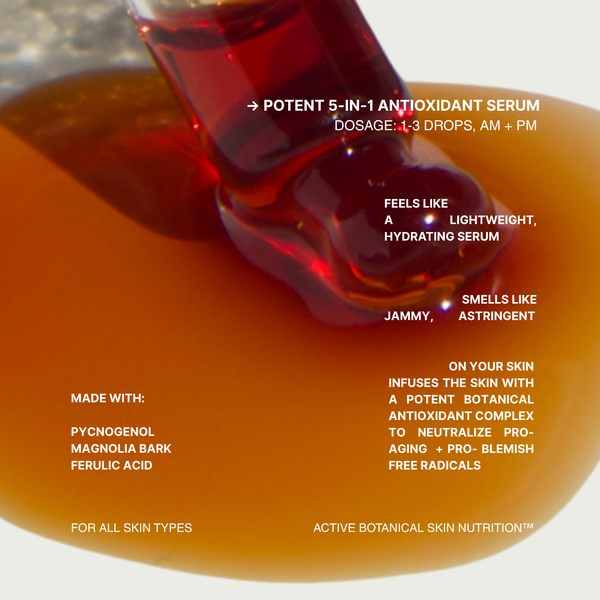
- Use an antioxidant topical before taking collagen: Antioxidants help counteract some of the pro-acne effects of histamine on the skin. By applying an antioxidant rich topical to the skin beforehand, you have an added layer of defense against the effects of histamine! Our Clarity Bioactive Clearing Serum is a great option for this and also contains black seed oil, which may help block histamine receptors in the skin.
Shop an antioxidant topical

$55
A green juice for your skin. Our velvety, barrier repair face oil infuses the skin with potent nutrition to soothe & clarify blemishes. Omega fatty acids and antioxidants sy...
shop nowHave any questions about collagen for acne? Want to see more articles on some of the topics mentioned in this post? Let me know in the comments!
References +
- https://link.springer.com/article/10.1007/BF02997423
- https://www.ncbi.nlm.nih.gov/pmc/articles/PMC3780801/
- https://pubmed.ncbi.nlm.nih.gov/11420057/
- https://pubmed.ncbi.nlm.nih.gov/15536428/
- https://pubmed.ncbi.nlm.nih.gov/18007585/
- https://pubmed.ncbi.nlm.nih.gov/33742704/
- https://www.ncbi.nlm.nih.gov/pmc/articles/PMC3988204/
- https://www.ncbi.nlm.nih.gov/pmc/articles/PMC6472264/
- https://faseb.onlinelibrary.wiley.com/doi/abs/10.1096/fasebj.25.1_supplement.528.2
- https://pubmed.ncbi.nlm.nih.gov/11456285/
- https://www.ncbi.nlm.nih.gov/pmc/articles/PMC4164051/
- https://www.ncbi.nlm.nih.gov/pmc/articles/PMC6367275/
- https://www.ncbi.nlm.nih.gov/pmc/articles/PMC8069563/
- https://pubmed.ncbi.nlm.nih.gov/1578094/
- https://pubmed.ncbi.nlm.nih.gov/2719978
- https://www.ncbi.nlm.nih.gov/pmc/articles/PMC6136002/
- https://www.ncbi.nlm.nih.gov/pmc/articles/PMC6389732/
- https://pubmed.ncbi.nlm.nih.gov/34003596/
- https://www.ncbi.nlm.nih.gov/pmc/articles/PMC8308327/
- https://pubmed.ncbi.nlm.nih.gov/130553/
- https://pubmed.ncbi.nlm.nih.gov/35013990/
- https://pubmed.ncbi.nlm.nih.gov/32326635/


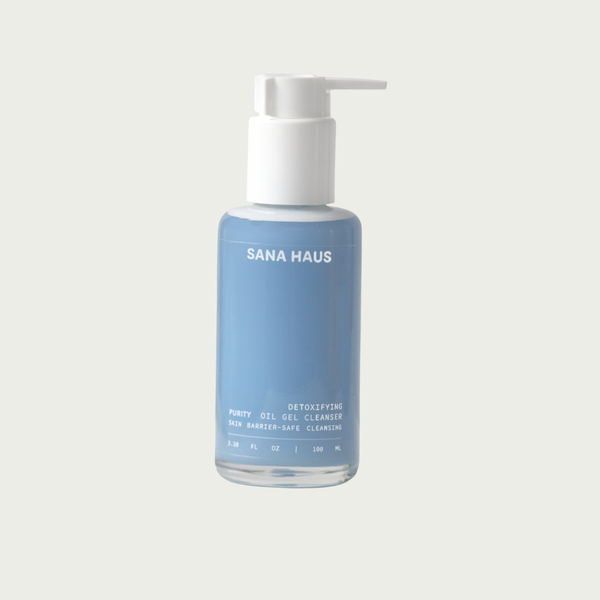
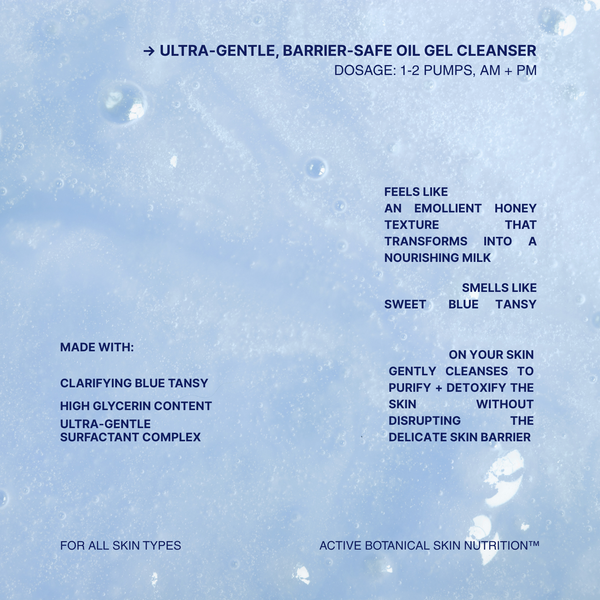
Purity Detoxifying Gel to Milk Cleanser
An ultra-gentle, skin barrier-safe cleanser formula. Made with...
This an absolutely great article and well researched and explained! Thank you.
leave a comment