




Can Creatine Cause Acne? Here's the Science

Creatine has earned its moment. Once the territory of bodybuilders, it now turns up in the routines of runners, lifters, and women who simply want stronger workouts and a sharper mind.
As one of the most-studied supplements ever, I'm all for using creatine. I think the research demonstrates creatine’s benefits are clear.
But I’m a holistic esthetician. So, my first question before trying even the best supplements is always going to be: does it cause acne?
When we look at the possible effects creatine can have on the body, the research gives me enough pause to question whether it’s suitable for those of us with acne-prone skin.
How does creatine cause acne?
Androgens, a.k.a male hormones, are the hormone family behind most deep, stubborn, jawline breakouts (hormonal acne). The most well-known of the androgens is testosterone, but other hormones like DHEA and dihydrotestosterone (DHT).
All androgens can cause acne. But, DHT is a particularly insidious culprit. It’s a far more potent androgen than testosterone or DHEA, making it a significant contributor to acne – especially when DHT levels are abnormally high.
When DHT activity climbs, three things tend to happen in the skin:
-
Your oil glands produce more sebum.
-
Your skin cells rapidly divide, causing a buildup of dead skin cells on the skin.
-
That pairing sets the stage for a clogged pore, which is where every breakout begins.
As a result, anything that raises DHT will also raise the risk of acne. And when it comes to creatine, research suggests this might be the case.
Does creatine raise DHT?
In one study of college-aged rugby players, three weeks of creatine supplementation raised the ratio of DHT to testosterone by more than 50 percent, and the change held even after the loading phase ended.
Because of what we know about DHT and acne, obviously a 50% increase in DHT piques my interest. But, do these findings actually hold up when it comes to acne?
Creatine and acne: the relationship between IGF-1, DHT, and acne
To be clear, this study only measured DHT – it didn't measure acne or any other symptoms. So, this study doesn’t necessarily prove that creatine causes acne.
More importantly, this study was only performed on men, so we don’t know whether this DHT-increasing effect translates to women.
But, I think this study should still give pause to those of us with acne-prone skin. Here’s why:
-
There are dozens of studies showing that creatine raises levels of a hormone called IGF-1
-
IGF-1 is not only a contributor to acne, but studies show IGF-1 can increase the conversion of testosterone to DHT
-
There is some early evidence that creatine increases the activity of proteins that make androgen receptors more sensitive
From my perspective, the research points to plausible ways by which creatine could increase androgens or even trigger acne directly (via IGF-1), even if there hasn’t been intensive research into the topic.
What’s more, if you look online, there are dozens of people who have experienced creatine causing acne.
Stories of creatine causing acne
There are dozens of Reddit threads showing people whose acne worsened after starting creatine (here, here, here, and here, for example).
From these accounts, it’s clear that creatine is at the very least contributing to breakouts in some people. Clearly, it doesn't cause acne for everyone.
Why do some people break out with creatine and not others?
To put it simply: everybody has different baseline levels of DHT and not everyone reacts to DHT in the same way.
If you’re someone who struggles with acne already, especially along the jawline, cheeks or neck (hormonal areas), the receptors in your skin might be more sensitive to DHT. As a result, increases in DHT might be more likely to produce acne.
Somebody else (with lower receptor activity), on the other hand, might experience the same increase in DHT levels and not experience acne.
So, should I take creatine if I have acne?
In these situations, the best thing to do is commit to some trial-and-error.
In general, if you already have hormonal acne or more moderate-to-severe acne, I would caution against taking creatine. But, you’ll never know how creatine affects you individually unless you try it.
If you’re already taking creatine and experiencing positive effects, but are worried that it might be contributing to breakouts, take it out of your routine temporarily. This will help you gauge whether the creatine is a contributor or not. In my experience you can usually tell within the first few days if a supplement is triggering breakouts. If breakouts slow down, look less inflamed, or seem to be healing faster, that’s usually a sure fire sign.
Can I keep taking creatine even if it’s causing breakouts?
Plenty of people thrive on creatine, and I'd never tell you to toss a supplement that's working for you.
That being said, in my experience, it’s really difficult to overcome breakouts caused by supplements. I would say it would be especially so in this case, since at least some of the sensitivity to creatine could be genetically-determined (by androgen sensitivity).
But, there are a few ways you can dial in your skincare routine to support your skin while taking creatine:
-
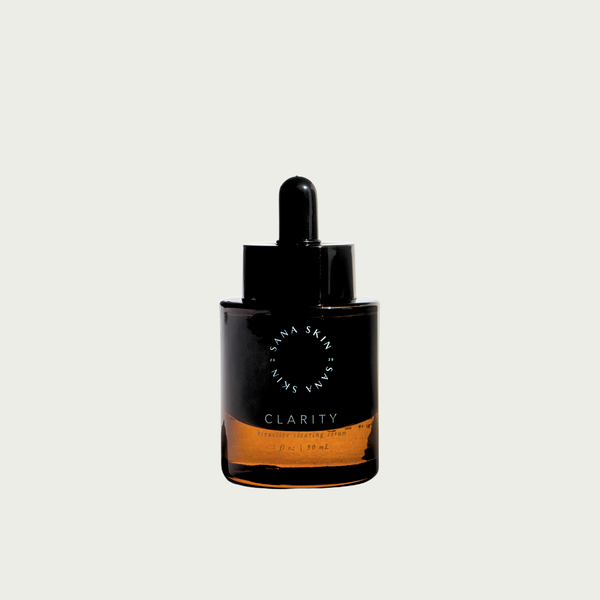
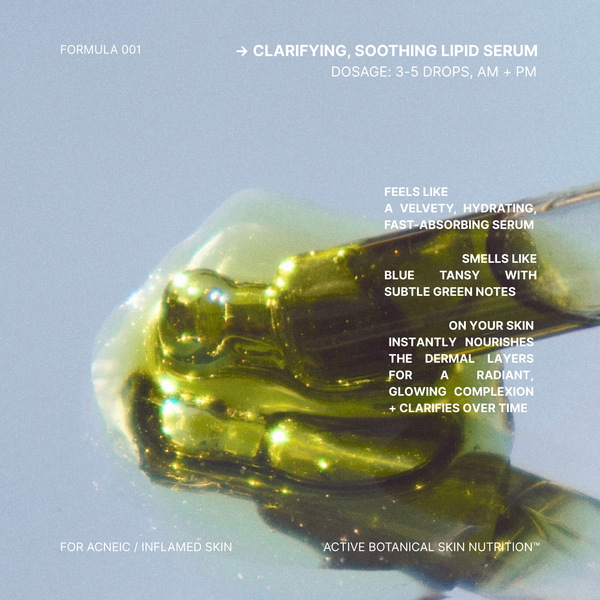
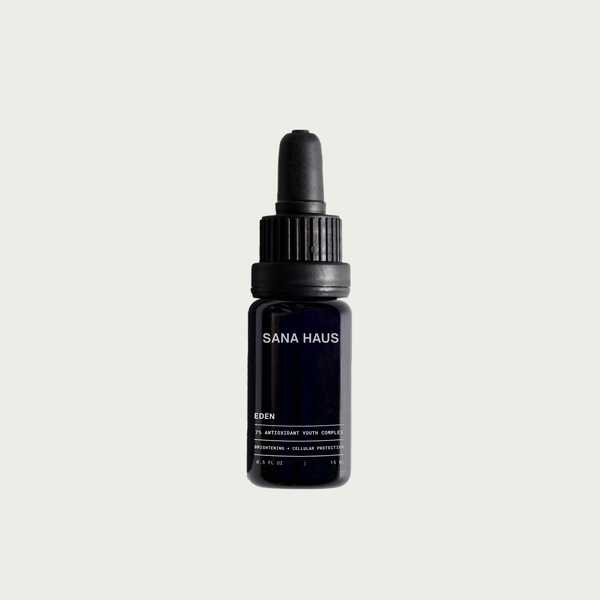
A strong skin barrier makes your skin more forgiving of whatever your hormones are up to, which is a big part of why I obsess over barrier care. I specifically formulated our Clarity serum with high levels of linoleic acid, which not only helps address clogged pores, but also repairs the skin barrier.
-
Get all pore-clogging ingredients out of your skincare routine and makeup. You can run your products through our Comedogenic Ingredient Scanner. It’s a really strict scanner, so it may inadvertently label some makeup products as comedogenic (for example, Rhode’s Pocket Blushes technically don’t make the cut according to our scanner, but they don’t break me out), but it’s a great place to start – especially for skincare.
-
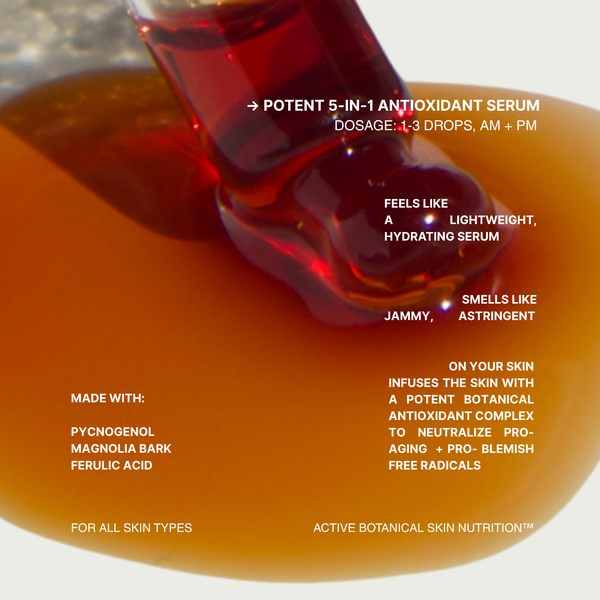
Use antioxidant-rich skincare. Antioxidants protect our skin from a variety of stressors that can make already-stressed skin (from hormones or creatine) worse. There’s also some evidence that free radicals increase our skin’s sensitivity to androgens. As a result, by increasing our skin’s reservoir of antioxidants, we might even support our skin’s defense against hormonal breakouts. This is the kind of research that inspired our Clarity serum and the synergistic antioxidant cocktail in the formula.
Can creatine cause acne? The bottom line
There’s no direct evidence that creatine causes acne, but there is a plausible way by which it could: by increasing DHT and/or affecting IGF-1 levels.
And for those of us who are already prone to or dealing with hormonal acne, any fluctuations in hormone levels can have a significant impact on the skin – tipping you from clear to congested.
This doesn’t mean you should stop taking creatine or shouldn’t. Instead, if you’re experiencing the pros of creatine or want to take advantage of the benefits, you should determine whether creatine is right for you by testing it out.
But, just because the research doesn’t explicitly say that creatine causes acne, doesn’t mean that it can’t. In fact, there are many people who have reported their acne worsening on creatine online. While research can guide us, it can’t always capture responses on an individual level. That’s why it’s so important to listen to your skin.
And if you’re already loving creatine but know it’s contributing to breakouts, there are changes you can make to your routine to help reduce the impact of creatine on breakouts.
As always, if you’re looking for skincare specifically designed for acne-prone skin, you can join hundreds who are using our acne-prone skincare, formulated by yours truly.
References
- Sutaria, Amita H., et al. “Acne Vulgaris.” StatPearls, StatPearls Publishing, 17 Aug. 2023, www.ncbi.nlm.nih.gov/books/NBK459173/.
- van der Merwe, Jacques, et al. “Three Weeks of Creatine Monohydrate Supplementation Affects Dihydrotestosterone to Testosterone Ratio in College-Aged Rugby Players.” Clinical Journal of Sport Medicine, vol. 19, no. 5, 2009, pp. 399–404, doi.org/10.1097/JSM.0b013e3181b8b52f.
- Horton, R., et al. “Androgen Induction of Steroid 5 Alpha-Reductase May Be Mediated via Insulin-Like Growth Factor-I.” Endocrinology, vol. 133, no. 2, 1993, pp. 447–451, doi.org/10.1210/en.133.2.447.
- Ben-Amitai, Dan, and Zvi Laron. “Effect of Insulin-Like Growth Factor-1 Deficiency or Administration on the Occurrence of Acne.” Journal of the European Academy of Dermatology and Venereology, vol. 25, no. 8, 2011, pp. 950–954, pubmed.ncbi.nlm.nih.gov/21054577.
- Vendola, K., et al. “Androgens Promote Insulin-Like Growth Factor-I and Insulin-Like Growth Factor-I Receptor Gene Expression in the Primate Ovary.” Human Reproduction, vol. 14, no. 9, 1999, pp. 2328–2332, pubmed.ncbi.nlm.nih.gov/10469704.
- Li, Xiaomeng, et al. “ZMIZ1 Preferably Enhances the Transcriptional Activity of Androgen Receptor with Short Polyglutamine Tract.” PLoS One, vol. 6, no. 9, 2011, e25040, pubmed.ncbi.nlm.nih.gov/21949845.
- Bonilla, Diego A., et al. “A Convergent Functional Genomics Analysis to Identify Biological Regulators Mediating Effects of Creatine Supplementation.” Nutrients, vol. 13, no. 8, 2021, article 2521, doi.org/10.3390/nu13082521.


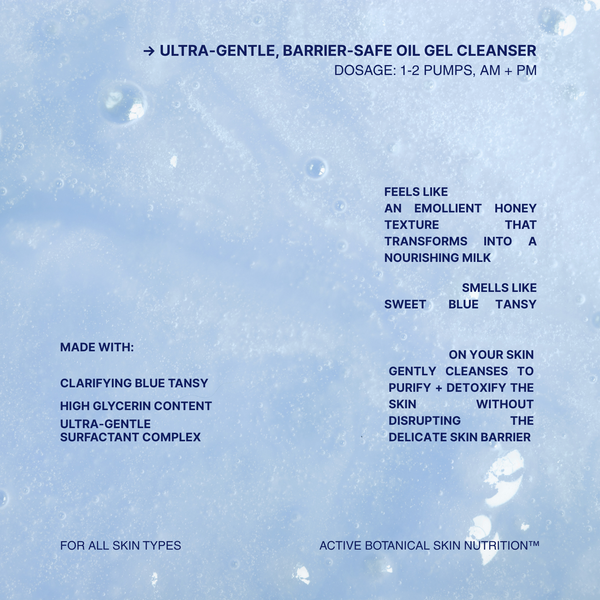
Purity Detoxifying Gel to Milk Cleanser
An ultra-gentle, skin barrier-safe cleanser formula. Made with...
leave a comment