




Can You Use a Salicylic Acid Toner With Histamine Intolerance?

If you have histamine intolerance and you're wondering whether a salicylic acid (BHA) toner really belongs in your routine, you're asking the right questions.
As a holistic esthetician, I'm a huge fan of salicylic acid. I think it's amazing for congested skin and it's clinically-proven to treat acne.
But, if you're dealing with histamine intolerance, a salicylic acid toner can work against you. Let me explain why, and what I'd reach for instead if you're in this situation.
So, what does salicylic acid have to do with histamine?
Salicylic acid is a salicylate, part of the same chemical family as the active ingredient in aspirin. In people who are sensitive to salicylates, these compounds can set off mast cells in the skin and prompt them to release histamine. While it's not a true allergy, researchers call it a "pseudoallergic" reaction, where the chemistry of the ingredient, not your immune system, drives the response.
Here's the part that matters for us: salicylate sensitivity and histamine intolerance tend to travel together. They lean on some of the same pathways in the body, so when one system is overloaded, the other backs up. If you already struggle to clear histamine, adding more salicylates can push you further over the edge.
It's in these cases that I've sometimes seen salicylic acid put acne-prone skin types over the edge.
A quick refresher on how histamine causes breakouts
If this idea is new to you, here's the short version (I go deep on it in my histamine and acne article). When histamine runs high in the skin, a few things happen:
-
It makes your sebum more comedogenic by raising squalene, which makes your oil more likely to clog pores.
-
It weakens your skin barrier, which leads to dehydration, redness, and more sensitivity.
-
It fuels inflammation, which is one of the biggest drivers of acne.
So, anything that raises histamine can have the ability to lead to breakouts, including salicylic acid under certain circumstances.
What happens when you use salicylic acid toner with histamine intolerance
For someone whose histamine is the real driver behind their breakouts, that extra histamine in your system can be enough to trigger breakouts. Toners are usually leave-on and used once or twice a day, so the exposure adds up fast.
One important nuance, though: it's really the higher-strength, leave-on toners I worry about. Specifically, the 1 to 2 percent salicylic acid toners. A small amount of salicylic acid, like the low level in a rinse-off cleanser, gives your skin far less exposure and is usually fine even if you're histamine-sensitive. Dose and contact time are what matter most here.
How do I know if this is me?
There's no perfect at-home test, but a few signs make histamine a likely player:
-
You've been diagnosed with histamine intolerance, or you strongly suspect it.
-
Your breakouts come with histamine symptoms, like itchy or flushed skin, headaches after fermented foods or cured meats, dizziness, or trouble sleeping.
-
Your skin flares during allergy season, when histamine is naturally higher.
-
You notice reactions to salicylate-rich foods or products.
If this sounds like you, it's worth working with a functional practitioner who can test things like DAO and tryptase activity, or guide you through a short low-histamine trial. Histamine is still off most physicians' radar, so finding someone who knows it well makes a real difference.
Can I use salicylic acid at all if I have histamine intolerance?
Everyone's skin is different. Even if you're dealing with histamine intolerance, you might be able to tolerate salicylic acid. The best thing is to test and see how you respond.
If you're already using it and still struggling with stubborn breakouts, try taking a week long break from it and see how your skin responds. It usually only takes a few days to see if it's having an impact on your skin.
I share this research not to encourage you to swear off salicylic acid altogether or fear monger. But, I do think our skin sends us clear signals, and unless you know what it's trying to communicate, you might continue to use something that's working against you. Awareness is key!
A better swap for histamine intolerance: glycolic acid
If what you loved about your salicylic acid toner is smooth, clear, freshly-exfoliated feeling, you don't have to give it up. Glycolic acid is my go-to alternative for histamine-sensitive skin. It's an alpha hydroxy acid rather than a salicylate, so it sidesteps the salicylate-to-histamine pathway.
It also has real research behind it for acne. Glycolic acid is comedolytic, meaning it helps clear the clogs that start breakouts. Studies also show, like salicylic acid, it has inhibitory and bactericidal effects on C. acnes, the bacteria tied to acne.
In a randomized, placebo-controlled trial, a daily 10 percent glycolic acid lotion improved mild acne over about three months, and in split-face peel studies, glycolic acid significantly reduced acne lesions compared to placebo.
A few tips if you make the switch: start with a low strength (2-5%), use it a couple of nights a week before going more often, and patch test first, since any acid can irritate reactive skin. Because it isn't a salicylate, though, glycolic acid is usually a much friendlier exfoliant for histamine-sensitive skin.
If you're extra sensitive, you can "sandwich" your glycolic acid by using it on top of an oil serum. The oil will slow the absorption of the acid into the skin, creating a time-released effect.
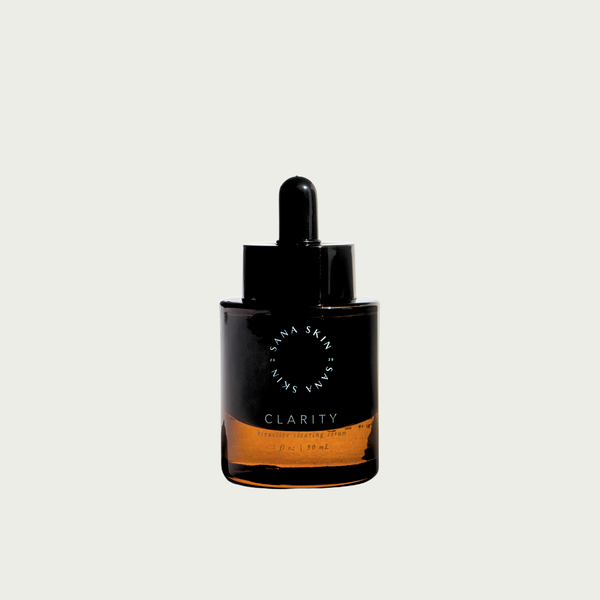
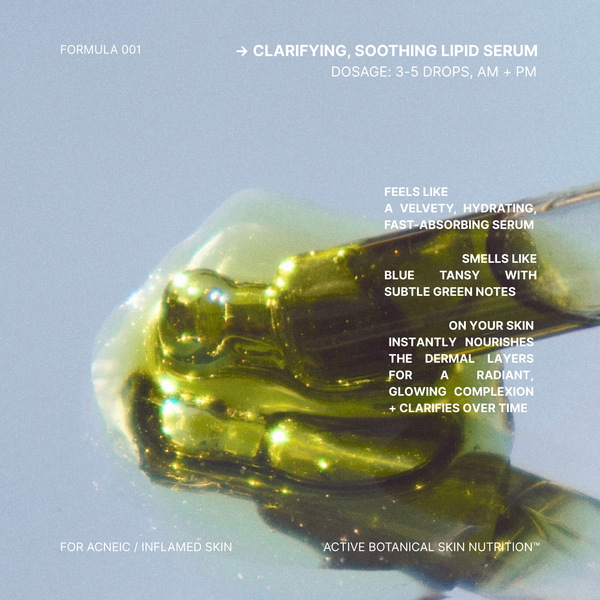
For acne-prone skin, I recommend our high-linoleic acid face oil, the Clarity Bioactive Clearing Serum. For all other skin types, I recommend our barrier repair face oil, the Vitale Nutritive Glow Elixir.
What I'd use instead: an essential oil-free routine
When histamine is in the picture, I steer people toward essential oil-free and fragrance-free skincare. My theory here, the same one I have about essential oils in general, comes back to histamine. Some essential oils, especially citrus oils and ones high in limonene, can influence histamine levels when they're applied. Limonene has real benefits in other contexts, but if you're already in histamine overload, those benefits can be outweighed.
That's exactly why I formulated our essential oil-free line with histamine-sensitive skin in mind. If you're setting a salicylic acid toner aside, here's the simple routine I'd reach for instead:
-
Cleanse with Nectar. It's an ultra-gentle, essential oil-free cleanser that lifts away the day without stripping or irritating reactive skin.
-
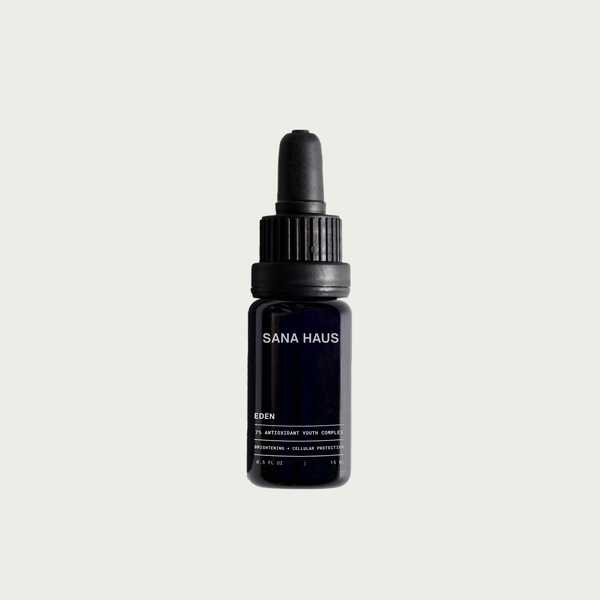
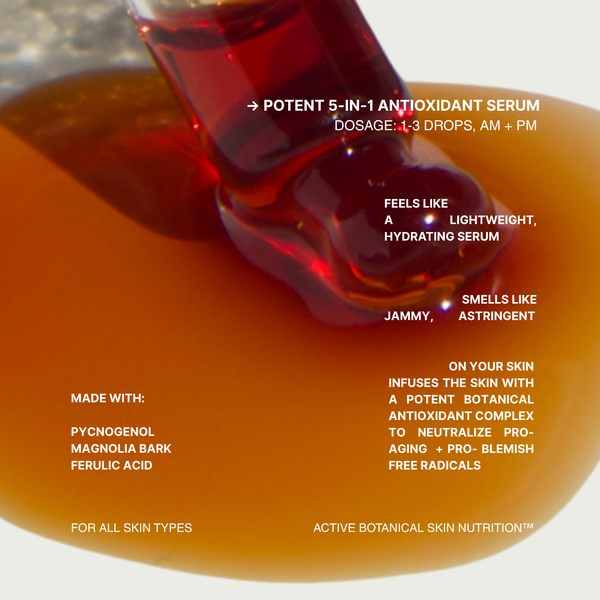
Protect with Eden. This is an antioxidant serum, and antioxidants help protect mast cells from releasing excess histamine in the first place, so it does steady, foundational work for histamine-prone skin.
-
Treat with Clarity in the essential oil-free version. Instead of a salicylate toner, this is my go-to for breakouts: barrier-repairing linoleic acid, purifying black seed, and a network of soothing antioxidants, all without any essential oils.
I've worked with customers who saw a real difference just from switching to essential oil-free formulas, so this is not a small tweak. It can be the thing that finally lets reactive skin settle.
The bottom line
So, can you use a salicylic acid toner if you have histamine intolerance? You can, but if histamine is driving your breakouts, it may be adding to the very load you're trying to bring down. For a lot of histamine-sensitive people, the better move is to set the salicylic toner aside for now, switch to essential oil-free skincare, and support your histamine from the inside with the help of a practitioner who knows the territory.
More than anything, let your skin lead. Histamine-prone skin tends to tell you loudly when something isn't working, and learning to read those signals is how you find what actually helps. If you want a gentle place to start, our essential oil-free formulas were made for exactly this.
Have questions about histamine intolerance and your skin? Leave them below!


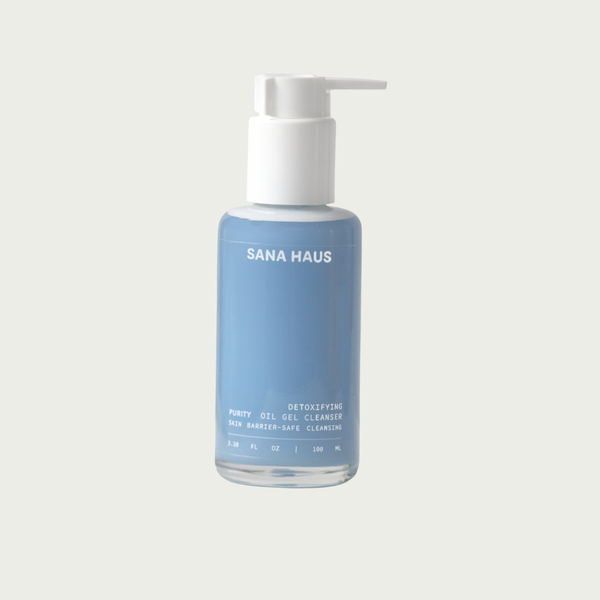
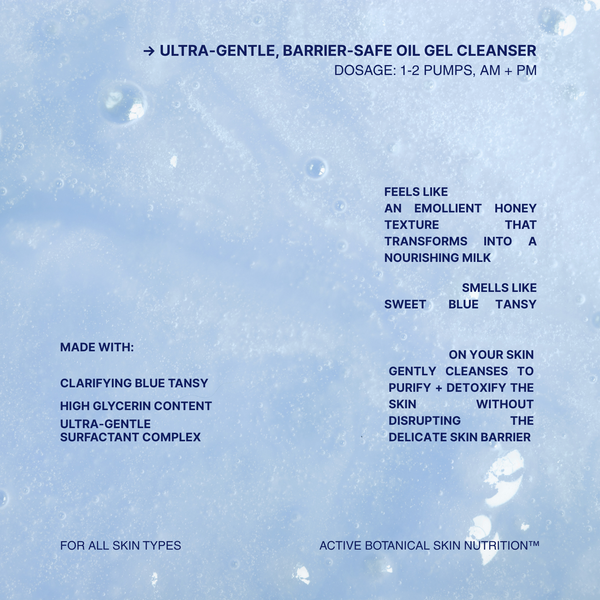
Purity Detoxifying Gel to Milk Cleanser
An ultra-gentle, skin barrier-safe cleanser formula. Made with...
leave a comment