




Can Manuka Honey Cause Acne?

Manuka honey is highly respected in the clean beauty space. It’s a specialized honey from New Zealand and Australia, with potent, clinically-backed antibacterial properties. These antibacterial properties have earned it a reputation as a heal-all salve for troubled skin.
Those who are familiar with manuka honey know that the mark of the manuka honey is the number on the jar. That number on the jar refers to a single molecule: methylglyoxal (also known as MGO).
In short, methylglyoxal is what makes manuka manuka. It’s the compound that gives it its characteristic antibacterial properties. The higher the number on the jar, the greater the amount of methylglyoxal in the honey, and the more antibacterial the honey is.
But, manuka isn’t the only place methylglyoxal exists. It also exists naturally in our body.
And while the research around methylglyoxal, in the context of manuka honey, is all positive, research about methylglyoxal in the context of the human body is not as positive.
In fact, it’s associated with aging, inflammation, acne, and more.
As someone who used to have manuka honey stocked in my cabinet, this research was a complete shock for me. Here’s exactly how I stumbled on it and why I don’t recommend it for acne-prone skin anymore.
How I discovered manuka honey might cause acne
I spent a few years in New Zealand as a child. One clear memory I have is my mom giving me manuka honey for a cold I had. Everybody swears by manuka honey for the common cold in New Zealand.
After I became a holistic esthetician and natural skincare formulator, I stumbled on manuka honey all over again. I learned exact molecular reason why manuka honey works so well, and that it could also be used for the skin.
So, naturally, when I was looking to formulate a mask for my holistic skincare line, manuka honey was one of the very first ingredients I thought about including.
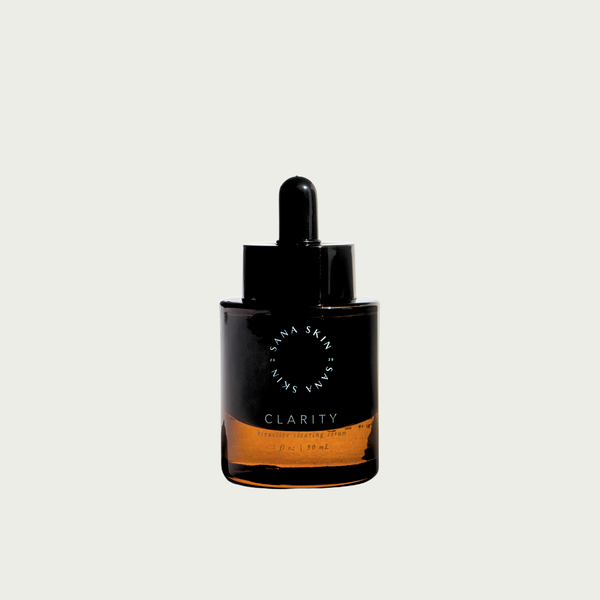
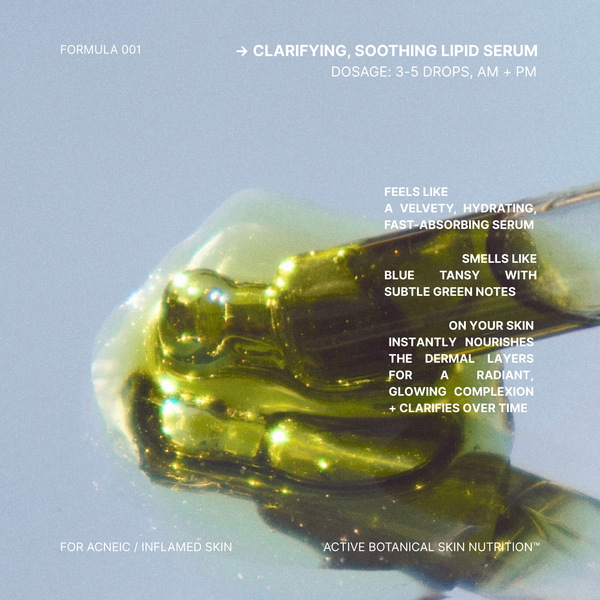
I made my first test batch, with the highest quality manuka honey I could find. Within just a day, I had large cystic acne on my jawline. I hadn’t dealt with cystic acne like that since before I started making my Clarity serum.
I was pretty dumbfounded by it all. After all, if bacteria was a main contributor to acne, how could something with such powerful antibacterial properties cause acne?
That’s when I started looking deeper.
How methylglyoxal in manuka honey might contribute to breakouts
Outside of honey, methylglyoxal has another reputation entirely.
It is one of the most reactive glycation agents in human biology — a dicarbonyl that latches onto proteins and converts them into toxic advanced glycation end products, called AGEs for short.
In other words, methylglyoxal in the body drives glycation, leading to the formation of toxic AGEs.
What AGEs do to the skin
In general, AGEs are toxic to the body, but they’re also a main driver of aging.
In the skin specifically, AGEs formed from methylglyoxal stiffen and degrade collagen, leading to the development of fine lines and wrinkles.
Methylglyoxal levels in the body are usually driven by blood sugar, metabolism, and sun. But, but your body’s chemistry itself doesn’t care where the methylglyoxal originates. So, whether it comes from blood glucose or manuka honey, the body treats it the exact same.
So, can manuka honey cause acne?
From my experience, I would say, yes. And I would say there is theoretical research to back this up, too:
- Methylglyoxal interacts with proteins in our body to form AGEs.
- AGEs then travel to receptors inside cells called RAGE (the Receptor for Advanced Glycation End Products).
- Researchers have found that the activation of the RAGE receptor is linked to acne, by increasing inflammation in the skin.
- Inflammation isn’t just the aftermath of an acne spot. It’s a direct contributor to the formation of acne spots at its earliest stages.
In line with these concerns, some researchers have been raising questions about the safety of manuka honey more recently. For example, in one study, researchers studying the use of manuka honey in diabetic ulcers had this to say:
“Since manuka honey contains high levels of [methylglyoxal], we speculate that patients with diabetes may be at risk due to either the direct negative effect of MG on cells and components in the wound or the indirect formation of AGEs, which could impair the wound-healing process.”
To be clear, I don’t think manuka honey is all bad. And this isn’t a perfect theory. There are plenty of people who see their skin improve when using manuka honey topically. And it’s clear that it’s a very effective antibacterial.
Like with everything, I think whether manuka honey causes acne likely boils down to individual sensitivities. Maybe certain individuals with acne are more sensitive to the inflammatory effects of AGEs. Maybe some individuals are more prone to the AGE-forming effects of methylglyoxal. Maybe some people make more RAGE receptors than others and, as a result, respond more strongly to the presence of methylglyoxal.
At the end of the day, the potential is there. It just doesn’t cleanly play out as methylglyoxal + skin = AGEs and acne in real life.
But just because we don’t have clear evidence that it contributes to breakouts in everyone, all the time, doesn’t mean that we should paint manuka with a broad brush stroke (in any direction).
Instead, it’s helpful to be aware that it may cause breakouts (see some stories here) and there’s a mechanism to back up why that might be the case.
What about using manuka honey internally?
While I don’t like to use manuka honey topically, using it internally is unlikely to contribute to breakouts.
When taken by mouth, the body takes the methylglyoxal and transports it to the liver. Once there, glyoxalase enzymes transform it into D-lactate, a harmless byproduct. Methylglyoxal is produced inside us all the time as a routine part of metabolism, and this is how the body keeps it in check.
In studies that have looked at methylglyoxal levels after taking manuka honey, researchers found no increased level of methyglyoxal levels in the blood.
So, the methylglyoxal in a spoonful of manuka honey is broken down long before it can reach the skin.
Should I use manuka honey for acne?
I’m a huge proponent of listening to your skin. I’m a big believer that listening to it can lead you to some pretty significant discoveries.
While there’s no telling who might react positively or negatively to manuka honey, all you really can do is test it out.
If you’re applying a high-grade manuka mask to reactive, inflammation-prone skin day after day and breakouts aren’t budging (or they’re getting worse), it’s reasonable to assume it could be glycation at work.
How to clear breakouts from manuka honey
If manuka turns out to be the culprit, here's what I would do:
- Resist the urge to over-correct. The instinct is to attack a flare with strong exfoliants and spot treatments. On already-inflamed skin, that tends to backfire. Keep everything gentle and barrier-first while things settle.
- Lean on antioxidants. The proposed mechanism of manuka honey causing acne involves free radicals, which makes antioxidants a logical antidote.
- Protect the barrier. A pH-balanced cleanse, steady hydration, and barrier lipids reduce other inflammatory signals (like skin barrier disruption) while your skin heals.
- Give it a cycle. Inflammation doesn’t switch off overnight. Once the trigger is gone, allow a few weeks (roughly one full skin cycle) for things to calm.
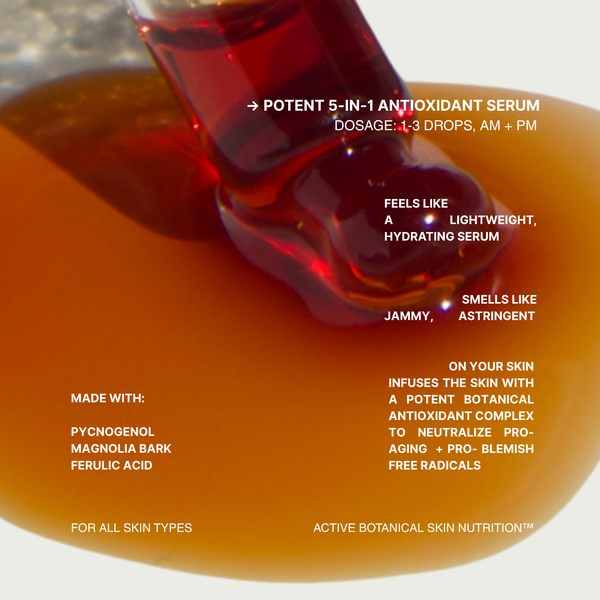
Antioxidant and barrier support for reactive skin


The bottom line
Manuka honey is neither a miracle nor a villain for acne.
The molecule behind its reputation, methylglyoxal, is a real glycation agent, and the machinery that turns glycation into skin inflammation is well documented. And while we know that manuka honey doesn’t cause acne for everyone (in fact, for some people, it helps), there’s a clear explanation for why it can make things worse when it does.
While I don’t recommend manuka honey for breakout-prone skin, I’m a huge proponent for trial and error and listening to your skin. On an individual level, only you can decide whether it’s the right fit.
Have any questions about manuka honey and breakouts? Or an ingredient you’d like me to break down next? Leave them in the comments.
References +
- https://pubmed.ncbi.nlm.nih.gov/18492491/
- https://pmc.ncbi.nlm.nih.gov/articles/PMC5193333/
- https://pubmed.ncbi.nlm.nih.gov/31573263/
- https://pmc.ncbi.nlm.nih.gov/articles/PMC3583887/
- https://pubmed.ncbi.nlm.nih.gov/26309782/
- https://pmc.ncbi.nlm.nih.gov/articles/PMC3556769/
- https://pubmed.ncbi.nlm.nih.gov/34053168/
- https://pubmed.ncbi.nlm.nih.gov/12839559/
- https://pmc.ncbi.nlm.nih.gov/articles/PMC3780801/
- https://pmc.ncbi.nlm.nih.gov/articles/PMC3135160/
- https://pmc.ncbi.nlm.nih.gov/articles/PMC4746462/
- https://pmc.ncbi.nlm.nih.gov/articles/PMC8718652/
- https://pubmed.ncbi.nlm.nih.gov/23451712/


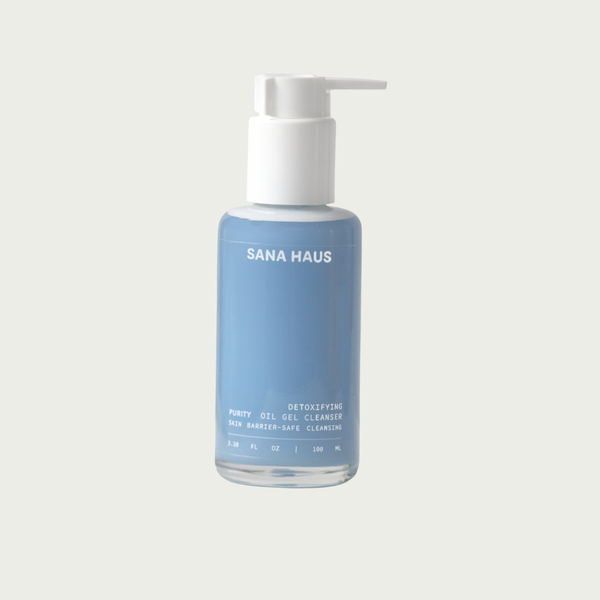
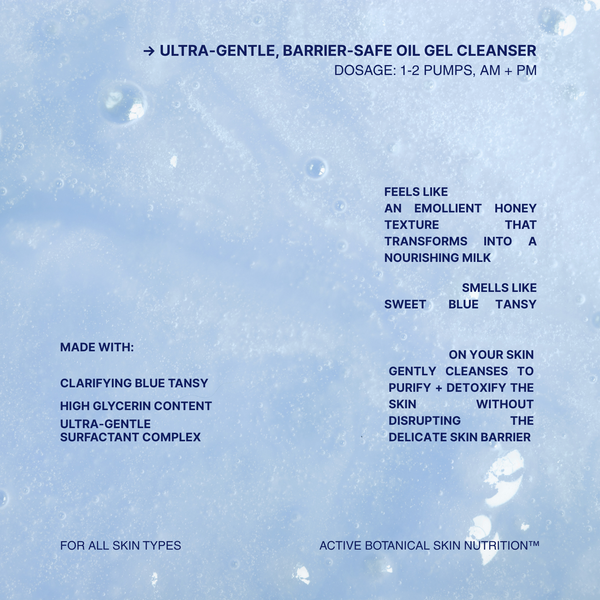
Purity Detoxifying Gel to Milk Cleanser
An ultra-gentle, skin barrier-safe cleanser formula. Made with...
leave a comment